
 | |
|---|---|
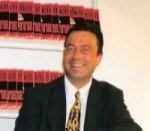
| Philadelphia Special Agent in Charge George Venizelos, at podium, announces indictments. |
On Monday, a superseding federal grand jury indictment was announced charging 13 members and associates of the Philadelphia La Cosa Nostra (LCN) family with racketeering, extortion, loan sharking, illegal gambling, and witness tampering.
Eleven of the 13—including the reputed boss and underboss of the criminal enterprise—were arrested earlier that day in Philadelphia and New Jersey. Two of the subjects were already serving time in federal prison for previous convictions but managed to continue their racketeering activities from behind bars.
Alleged mob boss Joseph Ligambi rose through the ranks of the Philadelphia LCN crime family and took over at the helm after the 2001 incarceration of previous boss Joseph “Skinny Joey” Merlino on racketeering charges.
The indictment alleges that for more than a decade, Ligambi, underboss Joseph Massimino, and the others conspired to generate money through various crimes. For example, they reportedly operated illegal gambling businesses involving sports bookmaking and electronic gambling devices in places like bars, restaurants, convenience stories, and coffee shops…and pocketed the proceeds. Mafia families like the one in Philadelphia often make millions of dollars and traditionally use gambling proceeds as seed money for other crimes.
The defendants also offered “loans”—at exorbitant interest rates—to victims who knew there would be dire consequences if they failed to repay them within a certain time frame.
To carry out their crimes, the defendants often used actual or implied threats of violence against their victims. According to the indictment, some of the defendants used phrases like, “I’ll put a bullet in your head,” and, “Chop him up,” to threaten victims who weren’t repaying their loans. The defendants used their reputation for violence to intimidate and prevent victims and witnesses from cooperating with law enforcement.
The defendants also actively worked to conceal their illegal operations from law enforcement. For example, they used coded language over the phone, such as calling the electronic gambling devices “coffee machines.” They often took “walk and talks” where they would conduct covert conversations with each other while walking to and from a particular destination because they thought they couldn’t be intercepted. They also established companies that appeared to be legitimate but were actually created to launder money and conceal the illegal nature of their activities.
To collect the evidence needed for these indictments, this long-term investigation included undercover scenarios, court-authorized electronic surveillances, consensual recordings, and many hours of physical surveillance.
This particular case was a good example of law enforcement cooperation at its best—the Philadelphia Police Department, the Pennsylvania and New Jersey State Police, the Criminal Division of the Internal Revenue Service, and the Department of Labor all worked alongside the Philadelphia FBI, with additional assistance from the New Jersey Department of Corrections and the Pennsylvania Attorney General’s Office. Prosecutors from the Pennsylvania Attorney General’s Office and the Department of Justice’s Organized Crime and Racketeering Section are assisting the U.S. Attorney’s Office in the Eastern District of Pennsylvania as well.
This arrest of the reputed leadership of the Philadelphia LCN comes on the heels of the large mafia takedown in New York earlier this year. And law enforcement efforts against the LCN, as well as other types of organized crime—international and domestic—will continue unabated.